• Facebook
  • YouTube
  • Pinterest
  • Instagram
  • RSS
Subscribe
Editorial Gold

Monterey Bay Parent

Design Gold
Read The Current Issue
MenuClose
  • Things To Do
    • Activities & Sports
    • Family Fun
    • Monterey Bay Aquarium
    • 250 Things to Do in California: The Complete Family Guide
    • Travel
    • Monterey County Neighborhood Guide
  • Events
  • Family
    • Health & Wellness
    • Home & Garden
    • Local News
    • Parenting
    • Cover Kids
    • Birthday Club
    • Military Families
  • Issues
  • Education
    • Back to School Expo
    • Education Directory
  • Camp
    • Camp Directory
    • Summer Fun and Camp Expo
  • Holidays
    • Birthdays
    • Christmas & Hanukkah
    • Easter
    • Fall Fun & Halloween
    • Thanksgiving
    • Valentine’s Day
  • More
    • About Us
    • Contact Us
    • Advertising Info
    • Our Current Issue
    • Family Favorites
    • Cover Kids
  • Search
Monterey Bay Parent » summer camp

Make the Summer Unforgettable at Stevenson Summer Camps

By Monterey Bay Staff | March 25, 2026

Each summer Stevenson School opens its campuses in Carmel and Pebble Beach to all students, offering programs that blend adventure, creativity, academics and athletics for rising Kindergarteners through Grade 8.
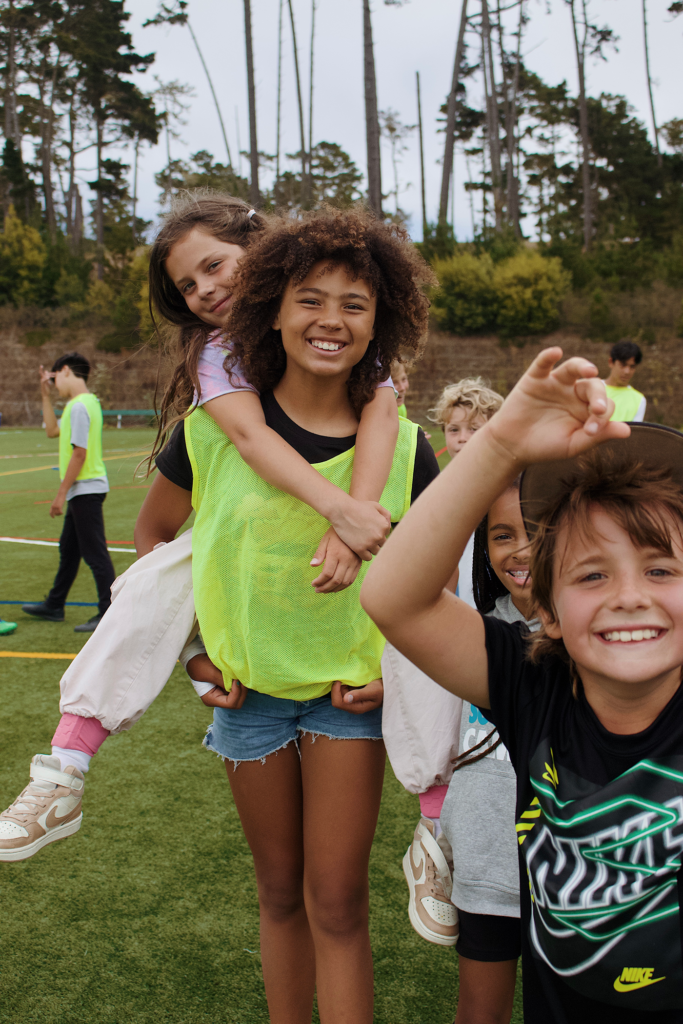
THE CAMP AT CARMEL FOR RISING GRADES K–4

The Camp at Carmel is a themed day camp where campers choose one immersive track and spend the week engaged in hands-on learning and exploration. Creator Track brings imagination to life through painting, ceramics and maker projects. Explorer Track dives into STEM challenges, slime labs and nature journaling. Adventure Track keeps energy high with obstacle courses, water play and team games. Performer Track builds confidence through theater, dance and a weekly mini performance. The Sports Track (June 15–19 and August 3–7) rotates campers through a variety of sports in a fun, no-pressure setting.

Campers are grouped by age for a personalized experience, and aftercare is available until 5:30 p.m.

DATES: Sports Track Weeks: June 15–19 and August 3–7 | Themed Track Weeks: June 22-26, June 29-July 3, July 6-10, July 13-17, July 20-24, July 27-31

RATES: Themed Tracks from $490/week, Sports Track $500/week
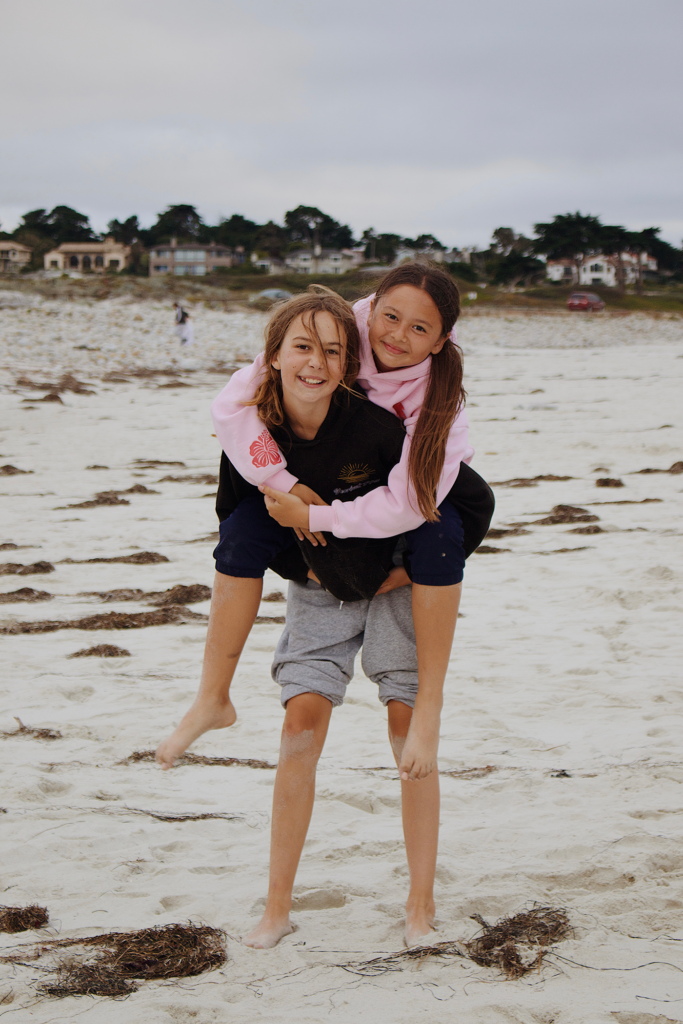
THE CAMP AT PEBBLE BEACH FOR RISING GRADES 5–8

For older campers, The Camp at Pebble Beach (day and overnight options) offers something genuinely different: a structured, intellectually stimulating program where kids choose what they want to learn and go deep.

Each morning, campers immerse themselves in a chosen Major – specialty workshops in Entrepreneurship, Marine Biology, Computer Science, Innovation or Language, with curriculum that evolves week to week so returning campers keep growing. Limited-run Spotlight Majors offer one-week-only experiences including Podcast Production, AI Pioneers, Poetry Lab and Underwater Robotics Lab. Afternoons shift to Elective Tracks in Outdoor Adventure, Creative Space, STEAM/Tech or the Chill Zone – or campers can upgrade to premium electives in Golf, Surfing or Tennis.

For families looking for the full experience, overnight camp transforms the program into something truly special. After day campers head home, overnight campers have the Pebble Beach campus to themselves: campfires, s’mores, karaoke, evening activities and the kind of friendships that form when kids share a week together in one of the most beautiful places in California.

DATES: June 28-July 4, July 5-11, July 12-18, July 19-25

RATES: Day Camp: From $540/week, Overnight Camp: From $1,050/week

STEVENSON SPORTS CAMPS WITH NIKE

Aspiring athletes can take their game to the next level with Stevenson’s Nike sports camps! The extensive lineup: basketball, football, lacrosse, softball, soccer, field hockey, volleyball, swimming, and water polo–with world-class coaching and programming designed to improve skills and inspire confidence. In addition to the many Nike camps, Stevenson is also offering a five-day dance intensive camp and week-long tennis camps at our tennis facility on the Pebble Beach campus.

These are just a few of the types of camps Stevenson is offering this summer.  

To view the rest, visit summer.stevensonschool.org

Filed Under: Activites & Sports Tagged With: Stevenson School, summer 2026, summer camp

More Monterey-Area Camp Info

By Monterey Bay Staff | March 24, 2026

Get the kids ready for a summer filled with fun by choosing camps that are the right fit for your family. Whether your child dreams of diving into the arts, exploring the outdoors, sharpening athletic skills, or discovering a passion for science and technology, the Monterey Bay area has a camp for every interest and age group. Browse our hand-picked recommendations below, and access the entire camp directory at montereybayparent.com/camp-directory/.

ADVENTURES IN WRITING

  • www.AIWcamp.com/carmel

Authors, teachers, and musicians ​help students discover the joy of writing. This two-week day camp allows elementary students to write, edit, and publish their own eBooks, while middle school campers create blogs. Lessons are delivered through music, with writing skills reinforced through theater-inspired creative activities. Camp runs July 20–31 at All Saints Day School, from 9 am–3 pm, with extended care available. Open to students entering grades 1–8, with sibling and early registration discounts available.

ALL SAINTS DAY SCHOOL

  • 831-624-9171
  • asds.org/summer

Summer at All Saints offers a wide range of camps for children ages 3 through Grade 8 on its beautiful campus. Programs include Performing Arts & Theater, STEM and Robotics, Art & Ceramics, Cooking, and Academic Enrichment, along with themed Early Childhood camps for ages 3–5. Campers can extend their day with optional Clover Camp from 12–3 pm (ages 5+), offering additional activities and outdoor play.

BIG SURF ADVENTURES SUMMER SURF CAMP

  • bigsurfadventures.com
  • hello@ bigsurfadventures.com

Kids ages 4–17 can ride the waves at Big Surf Adventures’ 3-day or 5-day summer surf camps. Lifeguard-certified instructors provide a patient, supportive environment with a 4:1 student-to-staff ratio, and all surf equipment is included. Two-hour sessions daily.

CAMP SEA LAB

  • 831-521-2893
  • campsealab.org

Camp SEA Lab offers marine science summer camps for youth ages 8–16. Programs include three Day Camp themes, three Overnight Camp themes, and the Voyage Seaward sailing and marine science program. Campers explore Monterey Bay through hands-on activities such as snorkeling, tidepooling, kayaking, surfing, dissections, and field experiments led by experienced educators. Scholarships are available for Monterey County residents.

CHARTWELL SCHOOL

  • 831-394-3468
  • chartwell.org/summer

Chartwell School’s Summer Program combines academic support with engaging hands-on learning. Students strengthen literacy, math, and STEAM skills while participating in activities that encourage curiosity and creativity. Afternoon options include reading clinic, robotics, sewing, trail biking, cooking, drama and musical theater, inventor’s bootcamp, and outdoor adventure camp.

CITY OF MONTEREY RECREATION

  • monterey.gov/rec

Monterey Recreation offers a variety of summer camps, sports programs, and playground activities for youth of all ages. Popular options include Whispering Pines Day Camp (ages 5–9), Camp Quien Sabe Overnight Camp (ages 7–15), the Summer Fun Playground Program (ages 5–10), and Tiny Tots Summer Camp (ages 3–5). Specialty camps include soccer, flag football, volleyball, gymnastics, dance, art, LEGO® with Play-Well Teknologies, and more. Register online through the Amilia/SmartRec system.

CONNECTIONS RIDING SCHOOL

  • 831-800-6035
  • connectionsboardingstable.com

Connections Riding School & Boarding Stable offers Horse and Pony Summer Camps from June 8–July 31, along with afternoon Pony Camp and new Sun to Soil camps. Horse campers ride trails and obstacle courses, while Pony campers learn grooming, tacking, and riding. Sun to Soil campers explore STEM, art, and outdoor challenges through play-based learning. Camps run Monday–Friday with half-day and full-day options for ages 4 and up.

THE DANCE CENTER

  • 831-625-3262
  • dancecarmel.com

The Dance Center in Carmel offers summer dance camps for both recreational and experienced dancers. Weekly themed camps run June 1–July 31 for ages 2.5–8, with half-day and full-day options. Intensive programs in Ballet/Pointe and Jazz/Contemporary are available for experienced dancers, along with camps in Acrobatics, Ballet, Jazz, Tap, Lyrical, K-pop, Hip-Hop, and Musical Theater for up to GR. 12.

EMMA BARTLETT MUSIC STUDIO SUMMER CAMPS

  • emmabartlett.com
  • facebook.com/EmmaBartlettMusic

Emma Bartlett Music Studio offers creative summer music camps including Flip the Lid Piano Camp (June 8–12), Book Blast Camps (June 15–19 and July 20–24), and Composition Camp (July 13–17). Campers build musical skills through games, group activities, and ensemble playing. Each session ends with a performance or recital for families.

FIRST PRESBYTERIAN CHURCH OF MONTEREY

  • fpcmonterey.org/children

Vacation Bible School at First Presbyterian Church of Monterey is a welcoming summer program where kids explore faith, friendship, and creativity. Each day includes music, storytelling, art, games, and hands-on activities that highlight kindness, compassion, and community.

HIDDEN HILLS

  • hiddenhillsranch.org
  • camps@hiddenhillsranch.org

Hidden Hills Ranch offers summer camps focused on outdoor adventure and hands-on learning. Options include Horse and Pony Camps along with themed camps centered on animal discovery, veterinary skills, creative arts, STEM, and outdoor exploration. Camps are available for ages 5 and up. 

JUSTIN RUSSO GOLF ACADEMY

  • JustinRussoGolfAcademy.com

Justin Russo Golf Academy offers summer golf camps for boys and girls ages 7–14. Each day includes instruction, practice, games, and time on the course. Campers build skills while learning proper technique, course management, and golf etiquette.

K LITTLE GLASS SUMMER CAMP

  • klittleglass.com

Learn the fundamentals of glassmaking in this week-long camp for ages 9 and up. Campers create their own glass artwork while developing technical skills and creativity in a fun studio environment.

LOS EXPLORADORES SUMMER CAMP

  • mshpschools@parks.ca.gov
  • parks.ca.gov/mshp

California State Parks presents Los Exploradores de Monterey Summer Day Camp at Monterey State Historic Park for students in grades 3–5. Campers explore Monterey’s cultural and natural history through hands-on activities including crafts, period games, songs, dances, nature observation, and guided tours of historic buildings and gardens.

MEARTH SUMMER DAY CAMP

  • mearthcarmel.org
  • 831-624-1032

MEarth Summer Camps blend nature, food, and creativity for ages 6–12. Campers spend their days outdoors exploring the environment, harvesting produce from the garden, and cooking with fresh ingredients. Programs encourage curiosity, teamwork, and confidence while fostering an appreciation for the natural world.

MONTEREY BAY AQUARIUM

  • MontereyBayAquarium.org/Underwaterexplorers

Kids ages 8–13 can experience the ocean up close in the Monterey Bay Aquarium’s Underwater Explorers program. During this 90-minute experience, participants take a guided surface SCUBA dive in the Aquarium’s Great Tide Pool just off the back deck. No diving experience or equipment is required—just curiosity and a sense of adventure.

MONTEREY PENINSULA COLLEGE SUMMER CAMPS

  • 831-646-4058
  • mpc.edu/summercamps

Monterey Peninsula College offers summer camps for children, pre-teens, and teens on its college campus. Programs include STEM, sports, cooking, crafting, and visual and performing arts led by expert instructors. Camps run June 8–July 24 and provide hands-on learning, skill building, and opportunities to make new friends.

MONTEREY SPORTS CENTER

  • monterey.gov/mscyouthcamps

The Monterey Sports Center hosts camps for children ages 5–12 featuring more than 20 activities using the gymnasium, pools, and nearby Jacks Park. Activities include swimming, WIBIT water obstacle course, basketball, soccer, capture the flag, and more. Ten one-week sessions run June 1–August 7, with early drop-off and late pick-up available.

MONTEREY ZOO

  • 831-455-1901
  • montereyzoo.org

Monterey Zoo summer camp introduces children to wildlife through close animal encounters and hands-on activities. Campers enjoy games, crafts, demonstrations, and educational experiences designed to inspire an appreciation for animals and conservation. Camps run one week for ages 7–12.

PACIFIC GROVE RECREATION

  • 831-648-3134
  • cityofpg.org/recreation

Pacific Grove Recreation offers a wide range of youth camps and activities throughout the summer. Options include Summer Adventure Camps for ages 3–12, golf and soccer camps, STEAM and engineering programs, dance classes, kids yoga, and swim instruction for children ages 6 months–9 years.

PACREP’S PEPPY GARNER & DARNELL WHITT SCHOOL OF DRAMATIC ARTS SUMMER CAMPS

  • Outdoor Forest Theater, Carmel
  • SoDApacrep@gmail.com

The School of Dramatic Arts summer camps provide theater training in a supportive environment where students explore acting, performance, and stage skills. Participants build confidence and creativity while learning to express themselves on stage.

PEAK POTENTIAL ISR

  • Instagram @peakpotential_isr
  • peakpotentialisr.com

Peak Potential ISR offers one-on-one survival swim lessons using the nationally recognized Infant Swimming Resource method. Lessons focus on self-rescue skills such as rolling to float, maintaining a safe position, and swimming to safety, building water confidence for infants and young children.

POINT LOBOS SUMMER ADVENTURE PROGRAM

  • 831-884-2957
  • pointlobos@ports-ca.us

The Point Lobos Summer Adventures program is an outdoor day camp for youth ages 8–15 based at Point Lobos State Natural Reserve. Campers hike scenic trails, create nature-inspired art, and take field trips such as rock climbing, whale watching, and kayaking. Sessions run 8–10 days.

RISE LITERACY

  • 310-625-8220
  • riselit.com

RISE Literacy summer camps combine engaging weekly themes with a structured literacy approach. Students receive daily instruction in phonics, spelling, vocabulary, and fluency along with games, crafts, and social activities. Themes include Phonics & Foodies, Space, Oceans, and Kindergarten Readiness.

RISING STAR GYMNASTICS

  • 831-375-9335
  • risingstargym.net

Rising Star Gymnastics summer camps include gymnastics training, ninja circuits, trampoline, games, relays, crafts, and outdoor play. Junior half-day camps for ages 3–5 run Monday–Thursday, while full-day camps for ages 5–12 Monday–Friday from 9 am–3 pm.

SALINAS SCHOOL OF DANCE

  • salinasschoolofdance.com

Summer Dance Camp for ages 3–6 features ballet, tap, jazz, folklórico, crafts, and creative play. Campers wrap up the week with a special performance for family and friends.

SALINAS VALLEY HEALTH ASTHMA CAMP

  • 831-257-4760

Open to children ages 6-12 with physician referral. Asthma camp empowers kids to thrive. Activities may include soccer, hiking, swimming and arts and crafts.

SANTA CATALINA SCHOOL

  • santacatalina.org/summerprograms 

Santa Catalina School offers three exciting summer camps. Summer at Santa Catalina is an all-girls camp for grades 2-9 focused on building confidence and lifelong friendships. Catalina C.U.B. Camp is an all-boys camp for grades 4-8 that fosters courage, unity, and brotherhood. Cougar Camp is a co-ed camp for grades K-6 offered in August. Join us for an unforgettable summer! 

SHORELINE CHURCH DAY CAMP

  • 2500 Garden Road, Monterey
  • shoreline.church/sdc

Shoreline Church presents Illumination Station, a week-long day camp held July 13–17 from 9 am–noon for children in preschool through grade 5. Kids must be at least age 3 and potty trained. Families can receive a 30% early bird discount through April 30 using code earlybird when registering online.

SUMMER AT STEVENSON

  • summer.stevensonschool.org
  • kcassamas@stevensonschool.org

Stevenson’s summer programs offer day and overnight camps across its Carmel and Pebble Beach campuses. Programs include arts, STEM, outdoor adventure, performing arts, and sports for grades K–8. Stevenson also hosts Nike Sports Camps in basketball, soccer, lacrosse, volleyball, swimming, water polo, and more.

VENTANA WILDLIFE SOCIETY

  • ventanaws.org

Ventana Wildlife Society offers Natural Science Discovery Camp for ages 8–12, where campers explore Monterey Bay and Big Sur through activities like whale watching, kayaking, and tidepooling. The week ends with a Thursday night campout in Big Sur. Younger children ages 4–7 can join Wee Ones in the Woods, a half-day nature exploration program. 

Filed Under: Activites & Sports, Things To Do Tagged With: summer 2026, summer camp

Helping Neurodivergent Children Transition to Summer Camp

By Lisa Gering | March 24, 2026

Summer camp is a classic childhood experience, full of new friends, outdoor play, and exciting adventures. For neurodivergent children, however, the thought of a new environment, unfamiliar routines, and busy social settings can feel overwhelming. Lucky for families in the Monterey Bay area, there are many local camp options with a variety of settings and environments, making it possible to find opportunities that align with each child’s strengths, interests, and sensory needs. With a few intentional strategies, parents can help their child approach camp with confidence and ease.

EXPLORE THE SPACE AHEAD OF TIME

Visiting the camp before it officially begins can help your child feel more comfortable with the environment. Bring a picnic, play on the playground, or simply explore the space together. Familiarity can reduce anxiety and help children form a positive association with the camp setting.

For example, outdoor camp programs such those held by Earth Trek Forest School in Monterey County intentionally use nature-based environments where children can move freely, explore, and engage with the world around them through sensory-rich experiences like climbing, digging, building, and water play. For many neurodivergent children, these natural environments can feel more regulating and flexible than structured indoor settings. You could visit the regional parks that Earth Trek holds their camps at before singing up to increase familiarity and comfort for your camper!

MEET STAFF AND PEERS IN ADVANCE

Arranging a brief introduction with camp counselors or instructors allows your child to put a face to the people they will see every day. If possible, connecting with a peer in their group can also help ease social transitions. Even a short, low-pressure meet and greet can make the first day feel less intimidating.

Some camps also prepare staff in advance to support diverse learners. Camp SEA Lab in Monterey, an ocean science day camp, provides staff training and support so counselors feel prepared to work with neurodivergent campers and understand strategies that help them succeed.

USE VISUAL SUPPORTS AND PRACTICE ROUTINES

Visual schedules, photos, and neurodiversity affirming social stories give children a roadmap for what to expect. Practice routines like packing a backpack, following hygiene expectations, or wearing a camp uniform at home. Gradually adjusting sleep and wake times to match camp schedules can also help your child settle into the new routine.

Predictability can make a big difference. At Earth Trek, teachers use a consistent daily rhythm while still allowing room for individual exploration and discovery. Talking through what is happening now and what will happen next helps children anticipate transitions and feel more secure throughout the day.

Similarly, Ahalya Kerrutt, Program Coordinator for Camp SEA Lab, explains that clear communication about upcoming activities and transitions can help campers feel more comfortable. Simple strategies such as announcing what activity is coming next, giving time warnings, and checking in individually with campers can support smoother transitions.

BRING COMFORT AND REGULATING TOOLS

Allow your child to bring a small comfort item if camp rules permit. Sunglasses, headphones, or fidgets can provide extra support for sensory regulation. Familiar items and predictable tools can make transitions smoother and empower your child to self-regulate when needed.

Outdoor programs can also naturally support regulation. Nature-based camps often provide opportunities for increased movement, sensory exploration, and flexible participation, which can help many children stay engaged and regulated throughout the day.

COLLABORATE WITH CAMP STAFF

Sharing information about your child’s preferences, common challenges, and successful strategies with camp staff is essential. Strong communication between families and camp staff helps everyone work together to support the child.

Kerrutt notes that understanding what motivates a camper is equally important. At Camp SEA Lab, counselors often encourage campers to engage in activities in ways that align with their interests, whether that means closely observing marine life, drawing what they see, or participating in hands-on exploration.

START GRADUALLY WHEN POSSIBLE

Partial days, orientation sessions, or shorter visits can help children acclimate without feeling rushed. Gradual exposure allows your child to build comfort and confidence before fully participating in a full-day camp experience.

Many camps also design activities to be interactive and movement-based. Hands-on exploration and short instructional periods can help keep campers engaged while allowing flexibility for different learning styles.

PREPARE FOR SOCIAL AND EMOTIONAL TRANSITIONS

Countdown calendars, conversations about daily routines, and role-playing scenarios can help children anticipate what is coming. Discussing pick-up routines or ways to transition back home can ease separation anxiety and set expectations for endings as well as beginnings.

Programs that emphasize social-emotional learning can also support positive peer relationships. At Earth Trek, teachers model inclusive communication and help campers practice respectful problem-solving so children learn how to collaborate and navigate social situations together.

With thoughtful preparation, neurodivergent children can enjoy all that summer camp has to offer. By exploring the space ahead of time, practicing routines, collaborating with staff, and providing visual and sensory support, families in the Monterey Bay area can set their child up for a positive, successful, and empowering camp experience. Summer camp does not have to feel overwhelming. It can be a place of growth, connection, and joy for every child in our vibrant local community.

Filed Under: Local News, Things To Do Tagged With: autism, Neurodivergent, special needs, summer camp

Making Summer Programs Work For Every Budget

By Tonilyn Hornung | February 23, 2026

When the summer finally rolls around, we parents are eager to fill these short months with meaning and memories. We’re up long past our bedtimes researching activities that support interests schools may not offer. Why do we do it? Well, we’re deeply aware of the positive impact these programs have on our kids. The smiles and self-confidence summer camps foster are a joy to witness, but we understand the summer sitch: The extra expense can be budget-breaking. 

Studies show that 70% of parents reported their child gained self-confidence at camp, while 96% of campers said camp helped them make new friends. With glowing stats like these, a push to attend summer camp feels like a no-brainer. But finances can dictate your summer experience: high camp costs, transportation limitations, and childcare gaps all contribute to missing out on camp opportunities, but don’t panic. With the help of Monterey Bay parents and a few favorite local camps, we’ve put together a list of tips to help your family create a more affordable summer camp experience. 

SIBLING DISCOUNTS AND FULL- VERSUS HALF-DAY CAMPS

One consideration to, well . . . consider when creating a budget-friendly summer is to look for sibling discounts. Monterey Bay resident Veronica Garcia says, “A lot of camps offer sibling discounts.” Camps like Hidden Hills Ranch, dedicated to hands-on learning with rescued farm animals, offer discounts that range from $30 to $100, depending on how many kids you’re registering. On average, local camp discounts are priced anywhere between $25 to $50 off for the second sibling. 

Garcia also suggests comparing full-day camp prices to half-day camp costs: “Sometimes full-day is just a bit more, so you get more for your money.” Typically, half-day camps start at 9:00 a.m. and end at 12:00 p.m., while full-day camps begin at 9:00 a.m. and end at 3:00 p.m., with price differences that can mirror a family movie night out. Hidden Hills and All Saints Day School are two camps offering both full- and half-day options. This can be cost- and brain-effective—saving you the mental load of reorganizing family schedules and childcare options. 

RECREATION DEPARTMENT: AFFORDABLE PRICING AND LOCAL SCHOLARSHIPS

It’s good to know which camps in your area won’t break the bank, and Monterey Bay parent Alia Ammar Hochgesang says the local recreation centers seem to have the most affordable options. Monterey Recreation Center has several fun, affordable camps that focus on arts, crafts, and more sporty pursuits, and local parent Stefanie Durich Beck says, “Residents tend to get a discount on their city’s recreation department programs, too.” She’s right on the money since camps like those offered b y the City of Pacific Grove, which focus on sports, STEM, dance, and more, provides up to $100 off for residents. 

Many favorite area camps offer financial aid or scholarships. Hans Hartvickson with Adventures in Writing Camps says financial aid and scholarships are provided. This camp helps kids fall in love with writing and teaches everything from creating e-books to writing blogs. Hartvickson advises parents and caregivers to visit their website and reach out directly for more information. Camp SEA Lab offers a $50 sibling discount, and program coordinator Ahalya Kerrutt says they offer scholarships to anyone based on household income, which range from 75% to 25% off the original price. For Monterey Bay County residents, they offer grant help as well.  

The Pacific Repertory Theater summer camp wants to relieve the financial burden of its campers. From musical theater to improv to dance, Pac Rep gives scholarship help. School of Dramatic Arts Director Christiana Meeks says, “They always reach out to folks to try to get something for them.” Scholarship forms are located on their website. 

EXTENDED CARE AND LONGER DAYS

Many summer camps are aware of working parents and their lack of childcare support during the summer season. Earlier drop-off and later pick-up is one way camps ease the stress. Camps like Adventures in Writing offer extended care beginning at 8:00 a.m. and ending at 5 p.m. And Basketball Jones Hoop Camps, which brings affordable basketball instruction, have hours from 8 a.m. to 4 p.m., with an earlier drop-off at 7:30 a.m. 

 Another option for an early start and after-work end is summer camp at the YMCA of the Monterey Peninsula. This camp has themed weeks, hands-on crafts, and more, with a drop off as early as 7:30 a.m. and a pick-up that ends at 6 p.m. Be sure to check out the website of your first camp choice because their hours may surprise you—and you’ll get more bang for your buck. 

SUMMER BUDGETING 

Budgeting ahead of time for summer camp allows you the space to plan effectively. Parent Stefanie Durich Beck explains that her family keeps a separate savings account for all the fun things. “Each family member has a savings account for ‘fun money,’ and we put money monthly into those accounts. Summer camp costs come out of those funds for us,” Beck says. This method can reduce financial stress and the possibility of overspending. 

Beck and Garcia remind Monterey Bay parents and caregivers to check out local libraries and schools that may offer more cost-effective solutions. Monterey Bay Public Library has summer programming, as well as a free sewing class every third Saturday. Check their website for other dates and times. 

FINAL PRO TIPS

When searching for your favorite camps, look for an early bird registration discount. Price cuts vary from camp to camp, but even small amounts can ease the financial burden for the summer months. Additionally, camps may offer membership discounts. If you’re already a member of a local club or recreation center, this can save you from paying full price. 

And lastly, camp is more fun with friends, and sharing the camp experience can create memories that last—so why not share a car ride? Sharing carpool duties with trusted friends can ease the burden when it comes to family schedules and be more environmentally friendly. 

CAMP CONCLUSION

Our kiddos love the exploration and reset summer camp gives them. Investing in these programs brings a deeper connection to friends and a curiosity in learning that boosts self-esteem and blows off steam in between school terms. So, go ahead, enrich your life. Summer on a budget can work to make your family’s summertime dreams come true. 

TONILYN HORNUNG has always preferred writing in her room to playing kickball outside. She’s a freelance writer and author who lives with her husband, young son, and many furry friends.

Filed Under: Activites & Sports, Things To Do Tagged With: March 2026, summer camp

Camp Safety: What Parents Should Ask (and What Camps Wish Parents Knew)

By Tim Barthlolomew | February 23, 2026

As families begin registering for March and Spring Break camps across Monterey County, safety is top of mind. From theater intensives to sports camps to outdoor nature programs, parents want to know their children are not only having fun but also being protected physically and emotionally. While many camps advertise enrichment and adventure, directors say there are a few key questions families should always ask before signing up — and a few things camps hope parents understand before day one.

At Pacific Repertory Theatre’s School of Dramatic Arts, Director Christiana emphasizes the importance of understanding staff qualifications and oversight. “Staff are hand-selected based on previous teaching or performance experience,” she explains. “All staff complete background checks, receive sexual harassment training, and participate in weekly check-ins with program leadership.” She notes that classes are typically staffed with one to two lead teachers plus an assistant, with class sizes ranging from six to twenty students. That structure, she says, allows adults to monitor group dynamics closely while ensuring every child has space to grow in confidence.

Parents agree that staff training and supervision matter most. “I want to know who is actually with my child all day,” says Marina parent Elena G. “Background checks are important, but I also want to know how counselors are trained to handle conflict or bullying.” Another parent from Seaside, David R., says ratios are key. “If there are too many kids per adult, things get missed. I look for smaller group sizes and clear supervision.” Several parents also mentioned clear communication as a top priority, including how camps handle injuries, allergies, medications, and unexpected changes.

Camp directors add that supervision includes more than just numbers. Reputable programs have structured check-in and check-out procedures, designated pick-up contacts, and staff positioned during transitions like bathroom breaks, snack time, and outdoor play — moments when incidents are most likely to occur. Some camps also use sign-in apps or photo ID verification to ensure children are released only to approved adults.

Emotional safety is just as important as physical safety. Christiana explains that their program focuses on creating an inclusive, encouraging environment where kindness, teamwork, and positive communication are emphasized. Teachers actively monitor group dynamics to ensure every child feels included and supported. That intentional culture building is something many local parents say they value. “Camp should feel safe socially,” says Carmel Valley parent Lauren S. “If my child feels left out or overwhelmed, I want to know there are adults paying attention.”

Many camps now incorporate age-appropriate behavior expectations and conflict-resolution strategies, helping children practice communication skills they may not yet have mastered. Directors say younger campers especially benefit when parents share social concerns in advance — whether a child is shy, easily overstimulated, or still learning independence. That information helps staff prevent problems rather than simply reacting to them.

Health protocols are another key topic families should discuss. Camps should be able to explain how medications are stored and administered, what staff are trained in first aid or CPR, and how they respond to illness. Outdoor programs may also outline hydration breaks, sunscreen reminders, and weather plans, while sports camps often describe concussion awareness and activity modifications based on ability level. Parents of children with allergies or medical conditions should feel comfortable discussing care plans before the first day.

Communication, directors say, is where strong partnerships are built. Some camps provide daily recaps, while others communicate only if concerns arise — but expectations should be clear from the start. “Parents sometimes assume we’ll text updates constantly,” one local program coordinator noted. “In reality, we’re focused on supervising kids. We absolutely communicate important information, but families should also help by reviewing schedules and packing lists ahead of time.”

Camps also wish parents understood how preparation affects safety. Labeling belongings, sending appropriate clothing, and reinforcing behavioral expectations at home can prevent many common issues. Children who know bathroom routines, snack procedures, and pick-up plans tend to adjust faster and feel more secure in a new environment.

Ultimately, choosing a camp should feel less like a leap of faith and more like an informed decision. Taking time to read policies, talk with directors, and ask detailed questions helps parents understand not just what a camp offers, but how it operates day to day. A few extra conversations before registration can reveal how prepared a program truly is — and give families peace of mind. When parents and camps work together from the start, children gain the confidence to explore, learn, and enjoy their experience knowing the adults around them are ready to support and protect them.

Filed Under: Activites & Sports, Things To Do Tagged With: March 2026, summer camp

Camp Lessons Including “Don’t Stand Up in the Canoe”

By Ryan Pierce | February 22, 2026

FOUR . . . FIVE . . . SIX! The counselor seemed pleased with the new troop record as he flicked the last leech off my soaked oversized camp T-shirt. My intention wasn’t to fall out of the canoe, mind you, but my oar skills were as bad as my balance, and gravity took over. Literal bloodsuckers, the highlight of my harrowing trips to the camp lagoon each summer. I sloshed back to the lodge, looking forward to more blistering sun, munching black flies, and dodgeballs to the face.

My early experience at summer camp left a lot to be desired. In my formative years, I excelled at being an only child, a loner who could find camaraderie in a lot of inanimate objects. Human friends weren’t as prevalent, as they tend to touch your toys a lot. But options were more limited then, my parents worked, and I just couldn’t be trusted alone in the house. Let’s just say I loved to take things apart but grew bored of putting them back together. 

So naturally, every summer they enrolled me—a kid you wouldn’t necessarily label outdoorsy—into a nature activity day camp. All day. Outside. New England humidity. Mosquitoes the size of your head. Tree stuff, dirt and sometimes mud, and poison ivy that mandated sweatpants and crew socks for this guy every day in July. But other than that, it was great.

Fortunately, in the present-day universe with my own kids, the stories are far different. This summer, my girls can explore Adventures in Writing. They can snorkel in one of the world’s most beautiful marine habitats. They might rock their sax off learning from musicians at the Monterey Jazz Festival, the legendary annual event that has helped define the genre for nearly 70 years. Not bad. For June.

In our little community alone, the choices read like the menu of The Cheesecake Factory, from all-day athletics at All Saints Day School to the (Monterey) Zoo, plus air (at Rising Star Gymnastics), anything you could imagine on land, and of course, SEA(Lab). Granted, we live in a special place featuring world-class places, people, and natural wonders. But all that aside, there are camp options for every interest and every kid, and most have scholarship opportunities.

If school is the foundation of learning, camps are the windows to the world, chances to learn new skills and connect with new people (or creatures, in my case). But what may be the most special thing about camp is leaving your comfort zone. School days are built on routine and systemic success, but sharing the balance of chaos in unfamiliar settings tests our boundaries and hopefully creates growth. Like so many of the sessions listed in this month’s issue, great camps achieve this goal while maintaining safe and supportive environments. Every. Single. Day.

While my own time at camp wasn’t ideal, I’d be lying if I said the experience didn’t teach me valuable life lessons. Hydrate regularly. Wear sunscreen and bug spray. Don’t stand up in a canoe. It also helped me figure out what I enjoy—and what I don’t. I try to share this with my girls whenever we try something new—from arts and music to sports and STEM—and this summer will be no different. But hopefully with far less leeches.

Filed Under: Activites & Sports, Things To Do Tagged With: March 2026, summer camp

  • 1
  • 2
  • 3
  • …
  • 6
  • Next Page »

The Weekend Roundup

Every Thursday: the best family-friendly events around Monterey Bay, hand-picked for the upcoming weekend.

Name(Required)

Upcoming Events

Notice
There are no upcoming events.

View CalendarAdd Events

Sign up to be a Monterey Bay Parent insider.

You’ll receive a weekly event newsletter, be first to see our monthly issue, and get advance notice of contests, events, and more. It’s all free, of course.

Name(Required)
Parenting OC
  • Facebook
  • YouTube
  • Pinterest
  • Instagram
  • RSS
  • Issues
  • About Us
  • Contact Us
  • Terms and Conditions

© Copyright 2026 Monterey Bay Parent. All rights reserved.

Website Design & Development by Guido Media

Close
Search Our Website
Close
Get Our Summer Fun Guide!

Fill out the form below and we'll send it to your email.