It’s true—Día de los Muertos, or Day of the Dead, is a beloved Mexican tradition we hear about each November. Yet, like many people, you might still be curious about what this celebration truly means. It’s a day filled with cultural significance and incredible stories for anyone willing to listen, learn, and honor the tradition.
In this article, you’ll discover the roots, meaning, and modern-day practices of this vibrant celebration—one that connects families across generations. And although it’s translated as Day of the Dead, it’s just as much a celebration of life.
Back to the Beginning
Día de los Muertos has its roots in Mexico, but today its branches spread across the world. On November 1 and November 2, the tradition comes alive, built on a few key pillars—chief among them is honoring ancestors through ofrendas (altars).
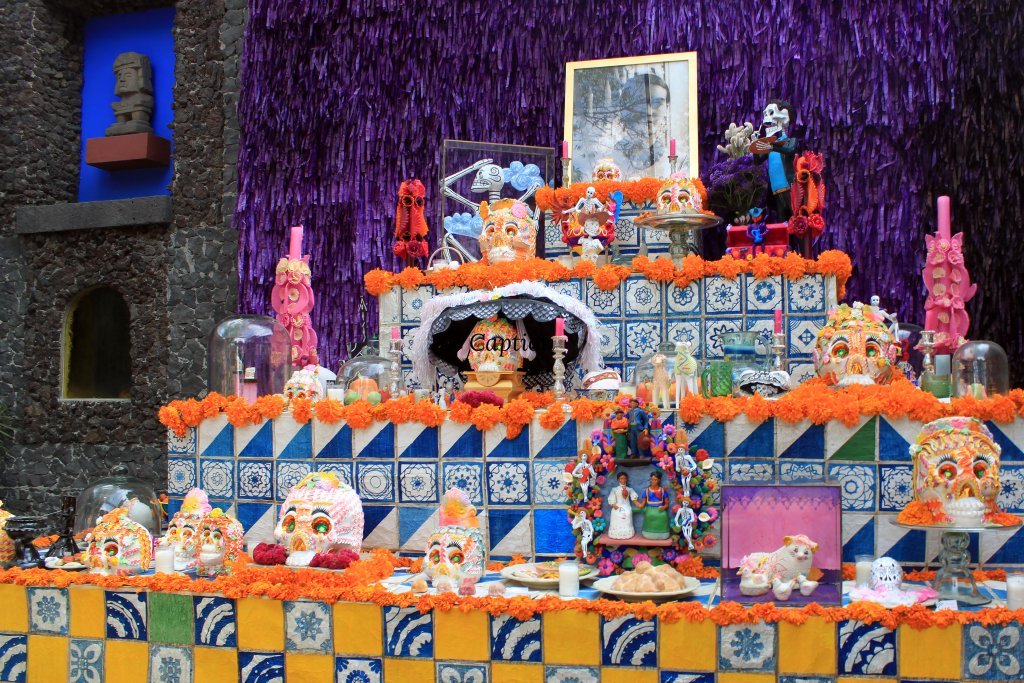
Decorated Ofrendas (Altars)
An ofrenda is more than a cultural symbol—it’s a personal, artistic expression of remembrance.
Traditionally, ofrendas include:
- Orange marigolds (cempasúchil), an iconic flower of the holiday
- Photos of loved ones who have passed
- Items the deceased enjoyed in life
- Candles, religious or spiritual relics
- Pan dulce (sweet bread) from a Mexican panadería
- Sugar skulls (calaveras)
There’s no single “right” way to create an ofrenda. All that’s required is the intention to remember and honor those who have passed. Some even include tributes to admired public figures or celebrities.
According to pre-Hispanic Aztec belief, the dead return to Earth once a year during Día de los Muertos to visit loved ones. An ofrenda ensures they find familiar sights, smells, and tastes when they arrive.
The Revival of Tradition
While Día de los Muertos has always been important in Mexico, it wasn’t widely celebrated in the U.S. until the Chicano Movement of the 1970s and 1980s. During this time, artists and activists reintroduced the holiday to Mexican-American communities as a celebration of cultural pride and heritage.
One modern addition to the tradition is calavera face paint and Catrina/Catrín attire—colorful skeleton costumes that have become symbolic of the celebration over the last four decades.
Not a Mexican Halloween
Although Día de los Muertos and Halloween share a calendar week, their meanings differ greatly.
- Halloween often centers around spookiness and a fear of death.
- Día de los Muertos focuses on honoring and remembering the dead while celebrating life.
This blending of cultures in some U.S. communities creates a unique, vibrant expression that honors both traditions while keeping their individual meanings intact.
Representation and Education
Día de los Muertos is celebrated across Mexico—from bustling cities to rural villages—and increasingly in communities throughout the U.S. When we learn about and appreciate another culture’s traditions, we also deepen our understanding of our own. Sharing these customs openly fosters respect, connection, and cultural pride.
Fun Family Activities for Día de los Muertos
Looking to celebrate at home this year? Here are a few ideas:
- Decorate family gravesites and share stories of loved ones.
- Cook traditional Mexican dishes to honor the flavors of the culture.
- Enjoy pan dulce with hot chocolate or atole (a warm, corn-based drink).
- Try sugar skull face paint and host a Latin-themed dance or karaoke night.
- Watch Disney’s Coco for a family-friendly introduction to the holiday.
- Paint ceramic sugar skulls as keepsakes.
- Learn about Mexican history and leaders, such as through the Dolores Huerta Foundation.
Everyone Can Celebrate
Día de los Muertos is not just for Mexicans, Hispanics, or Latinos—it’s an open invitation to honor life and remember those we’ve lost. It transforms grief into joy, reminding us that the people we love remain alive in our hearts.
Day of the Dead Community Gatherings
- Dia De Los Metros Celebration
Thursday, October 30, 2025 | 6-8 PM
Hartnell College, Salinas
The 5th annual community Día de los Muertos is a free community event to provide resources and information that can guide and support when dealing with death and dying.
MORE INFO - Día de los Muertos at UC Santa Cruz
November 2, 2025
Día de los Muertos Ceremonia is a space to collectively honor and celebrate the lives of our loved ones. Join us for a night of danza, prayer, food, music, and community. This cultural and family event is free and open to all
MORE INFO
¡Feliz Día de los Muertos!
Whether you celebrate at home, in your community, or in Mexico itself, the essence of the holiday is the reunion of the living and the dead—a joyful reminder that love never fades.
Leave a Reply